United Kingdom
  Finland
  Estonia
  Italy
Italy  France
  Sweden
  Germany
  Spain
Spain  Rest of Europe


Powder metallurgy encompasses a diverse suite of manufacturing techniques that transform metal powders into high-value components. Capable of shaping a wide array of metals into complex geometries, this cost-effective technology has become a cornerstone of modern industrial production.
This guide provides a comprehensive overview of the field, breaking down its primary processes, key differences, and real-world use cases.
- Powder metallurgy fabricates components by compacting and sintering metal powders, achieveing near-net dimensions with minimal material waste.
- Specialised techniques, such as powder forging, metal injection moulding (MIM), hot isostatic pressing (HIP), ECAS, and additive manufacturing, produce everything from high-precision instruments to ultra-strength structural components.
- Powder metallurgy processes can be finely tuned to precisely control critical characteristics, including density, strength, wear resistance, and thermal or electrical conductivity.
- Ultimately, the technology is prized for its unique combination of design freedom, precise porosity control, cost-effectiveness, and environmental sustainability.
What Is Powder Metallurgy
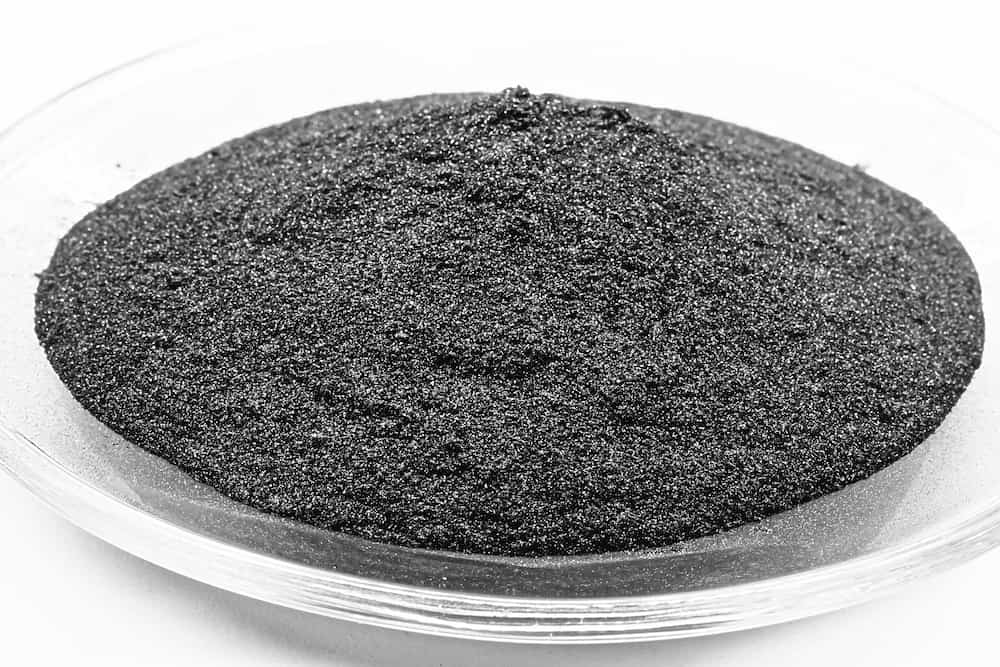
Powder metallurgy (PM) is an advanced fabrication technique that transforms fine metal powders into solid, high-performance components. The process relies on two primary stages: first, compacting the loose powder into a specific shape, and second, heating it, a step known as sintering, to a temperature just below its melting point. This thermal energy causes the particles to fuse and solidify without completely liquefying. Finally, secondary operations like coining or heat treatment are often utilised to achieve ultra-precise dimensions or enhanced mechanical properties.
ARVE error: Invalid Thumbnail 20171115T000000+0200
The Basics of the Powder Metal Manufacturing Process
While the powder metal manufacturing process has many variations, its core principles remain the same. The process can be divided into four distinct stages. These are:
-
Powder production
-
Compaction
-
Sintering
-
Secondary processes
1. Powder production
Powder production is the initial step in powder metallurgy. It refers to the procurement of the metal powder used as a raw material in the manufacturing process. This step must provide high output while creating powder grains in a specific size range for the downstream processes to work.
There are various methods available to obtain metal powders. The most common ones are mechanical crushing, electrolytic deposition, atomisation, and chemical reactions.
In mechanical crushing, metal blocks are crushed into smaller pieces using equipment such as jaw crushers and stamping mills. The pieces are further ground down to the required dimensions using special machinery such as ball mills. Mechanical crushing is highly suitable for hard and brittle metals like iron alloys. Sieving may be employed as a secondary step to separate any remaining larger particles.
Electrolytic deposition is another reliable method to produce high-purity powder for metals such as copper, iron, chromium and magnesium. The process uses electrolysis to deposit metal powder on the cathode, which is then extracted. The process has high energy consumption, making it feasible only for high-value metals.
Atomisation refers to the use of a high-pressure media to create fine metal powder. This is typically done by passing a stream of hot molten metal over pressurised gas or liquid media, which breaks it into tiny fragments that promptly solidify into fine powder.
Chemical reactions such as oxide reduction, precipitation and thermal decomposition are used to create metal powder with the desired size, shape and purity. The preferred process depends on the specific metal at hand. Chemical reactions provide a very high-purity (>99.5%) metal powder.
2. Compaction
Compaction refers to the compressing of metal powders into dies using high pressure from mechanical, hydraulic, or pneumatic equipment. This is a crucial step to minimise the voids between neighbouring powder particles (densification) to improve strength and related mechanical properties. The most common compaction method is die pressing, which uses mechanical, servo-electric and hydraulic presses depending on the throughput required.
While compaction is generally carried out at room temperature, some processes, such as hot isostatic pressing (HIP), use elevated temperatures to combine this stage with sintering.
3. Sintering
In this stage, the compacted powder is heated to encourage the powder particles to merge into each other at the surface. This converts the powder into a single mass with superior mechanical properties.
Sintering provides benefits such as increased density, ductility, strength, electrical conductivity, thermal conductivity, and toughness. The process, however, is far from simple and varies from material to material.
When sintering occurs below the metal’s melting point (as is typically the case), this is known as solid-state sintering. However, in specific cases, such as in the production of cermets, electronic ceramics, cemented carbides and tungsten heavy alloys, sintering may be done above the melting point to accelerate the inter-particle bonding, and fill the pores in the compact. This process is known as liquid-state sintering.
An important concern associated with sintering is material shrinkage. The increase in density reduces the overall volume of the material. This shrinkage varies with sintering temperature and duration, particle size, initial density, compaction pressure and cooling rate. As a result, the sintering process requires close monitoring and fine-tuning to obtain the desired dimensions. This is usually done by manipulating furnace conditions and starting with a larger size to account for the shrinkage.
Sintering, however, does not completely eliminate porosity. Parts typically retain a residual porosity of 5% to 25% after sintering.
4. Secondary processes
A sintered part often goes through secondary processes to prepare it for service. Some examples of these are deburring, machining, heat treatment, and surface treatment.
These processes are used to achieve the final dimensions, improve desirable characteristics, and add functional features like self-lubrication or specialised surface textures.
- Personal account manager
- Quality assurance
- Payment terms for companies
- On-time delivery by Fractory
Powder Metallurgy Processes
Powder Forging
The traditional powder metallurgy process creates excellent parts with sufficient strength, but there are always applications where very high strength is a requirement. In such cases, the conventional process can be combined with the tried-and-tested forging process to create full-density parts with as-wrought properties.
In this process, the preform from the typical powder metallurgy process is forged right after sintering. We maintain part temperatures above 1000 °C (~1800 °F) for the best results from forging.
High-temperature forging can create complex geometries, though to a lesser degree than conventional press-and-sinter PM. However, it gives parts unparalleled strength for demanding applications in the aerospace and automotive sectors.
Powder forging is more expensive than the conventional method and usually not feasible for most applications. However, it bridges a much-needed gap for high-strength, critical applications such as gears, connecting rods, differentials, jet engine turbine blades and other structural components.
Hot Isostatic Pressing
Hot isostatic pressing or HIP is used in thousands of industrial processes globally to improve the performance and durability of a broad range of products.
It involves the use of high-temperature, high-pressure gas to compress powdered metal for compaction and sintering. Unlike mechanical methods that compress a part from one or two directions, HIP applies equal pressure on a component from all directions (isostatically). A typical HIP process consists of the following four stages: Pressure/temperature ramp-up, soaking, depressurisation and cool down.
The alloy powder is poured into metal moulds that are then welded shut and evacuated to create an internal vacuum. As the process progresses, the external gas pressure shrinks both the mould and the powder into the final part shape.
This process can work with a range of metals and non-metals such as steels, superalloys, carbides, cermets, ceramics, ferrites, and composite materials. Unlike other PM processes, HIP can achieve 100% density, effectively matching the mechanical properties of wrought materials. It can also be automated to obtain consistent quality in high-volume production.
The need for high-performance, long-lasting components exists in many sectors. As a result, hot isostatic pressing finds use in sectors such as automotive, aerospace and defence, industrial heavy equipment, marine and oil and gas.
Metal Injection Moulding
Metal injection moulding (MIM) is a popular powder metallurgy technology used extensively to create small parts with impeccable accuracy. This process bridges a crucial gap in the PM market by combining highly complex geometries with high-volume, small-scale production.
The process begins with fine metal powder, typically produced through gas atomisation. This powder is then mixed with organic or synthetic binders that act as a carrier and impart fluidity for the injection stage. Upon completion of moulding, the green part undergoes debinding to remove the polymers, and is then sintered to eliminate the remaining binder and residual porosity. MIM parts can shrink by 15-20% when they come out of the sintering furnace.
MIM finds use in many sectors such as electronics, general industry, aerospace, and automotive but the lion’s share (>80%) of demand for MIM parts comes from the dental, medical and firearms sectors. MIM’s capabilities align well with the requirements of these sectors as they require high complexity, small-sized parts in high volumes.
Electric Current Assisted Sintering
One of the most time-consuming stages in a typical PM process is sintering. The parts need sufficient soaking time to complete the slow process of atomic diffusion that bonds the powder particles and densifies the component. Improper heating rates can introduce thermal shock, while insufficient soaking leaves residual porosity.
Electric current assisted sintering (ECAS) technologies can expedite the compaction and sintering process by combining mechanical pressure with electric or thermal fields. In ECAS, the punches transfer the electricity and Joule heat directly to the powder. Depending on the supplied current density, the heating rate can exceed 1 million °C/s (Ultrafast ECAS). Consequently, sintering durations can be as short as a few microseconds.
Lower sintering temperatures, reduced cycle times, and high production rates are the key benefits of this process. Both AC and DC currents are compatible with ECAS technologies.
Some of the most popular ECAS techniques are Spark Plasma Sintering (SPS), Flash Sintering (FS), Electric Discharge Sintering (EDS or Ultrafast ECAS) and Resistance Sintering (RS).
Even though ECAS requires a high current density, its overall power consumption is lower than comparable methods like hot pressing (HP). Other advantages include thermal gradient control, high heating rate, single-step sintering-bonding, near-net-shape capability, absence of sintering aids and selective density control in different regions.
ECAS, however, is limited to simpler shapes and smaller sizes. It also requires a deep understanding of the material’s behaviour at elevated temperatures. Incorrect process control can lead to melting or high power consumption. The high capital cost can limit its use where being cost-effective is a priority.
Additive Manufacturing
While the foundational concepts of layering metal date back to early welding patents, modern metal additive manufacturing truly took shape through collaborative institutional research in the 1980s and 90s. Of the many metal AM processes, the two most popular are Powder Bed Fusion (PBF) and Binder Jetting.
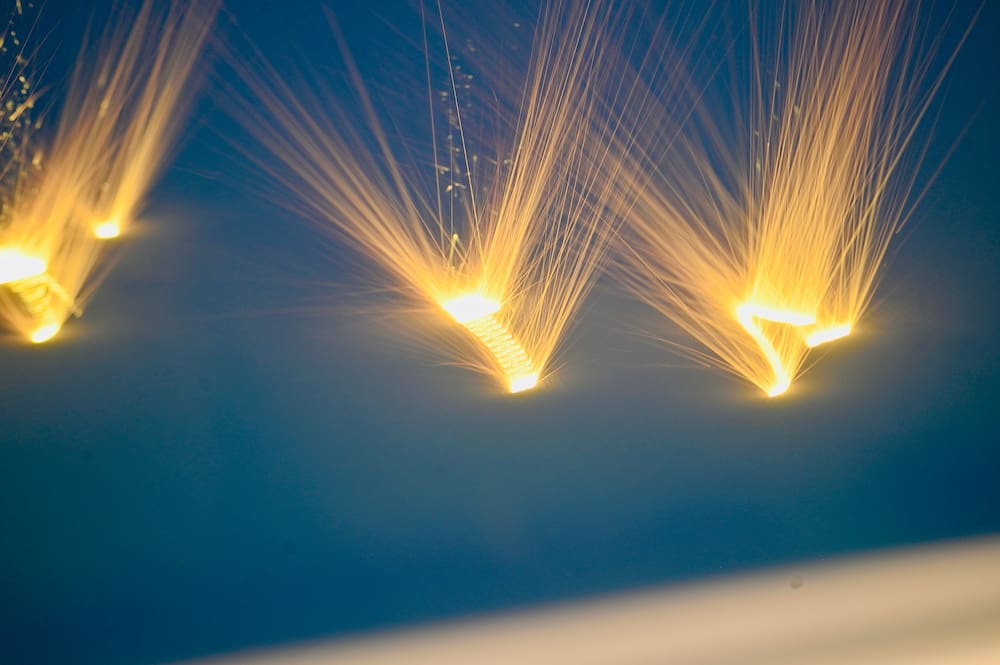
Powder bed fusion consists of a build table on which a fine layer of powdered metal is spread evenly. Then, a power source such as a laser or electron beam melts and fuses the powder in specific regions to create a layer of the finished part. Then, the next layer of powdered metal is spread and fused to the previous layer using the same power source. Support structures are built and anchored to the build table alongside the part, as required by the design.
Once the process is complete, the part goes for post-processing. Here, the part is cleaned of any residual metal powder and sent for surface smoothening, as the default surface finish from laser powder bed fusion is characteristically rough.
Some appreciable benefits of metal additive manufacturing include high strength, design freedom, complex geometry, tool-free manufacturing, assembly consolidation, and reduced scrap loss. Its customisation capabilities make it the go-to process for iterative processes like generative design and topology optimisation.
For all its advantages, laser powder bed fusion can be an extremely complex and challenging process to master. There are a lot of variables that can cause design and manufacturing failures. The fine metal powder can be a respiratory and fire hazard, demanding the strict implementation of robust safety practices.
Binder jetting resembles powder bed fusion in its layer-based approach, but instead of melting the metal powder, a printhead sprays a jet of binder onto a fine layer of metal powder. The metal powder sticks together where the binder is sprayed, forming a 2D layer at a time. The process is repeated until the final shape is achieved. This part is a “green” part and requires subsequent sintering for binder removal and densification.
Advantages of the Powder Metallurgy Process
Some unique advantages of powder metallurgy over other processes, such as metal casting and CNC machining, are:
✅ Highly complex geometry: Powder metallurgy enables the creation of highly intricate designs that are essential for part-count reduction and lightweighting. It is also compatible with optimisation techniques such as generative design and topology optimisation.
✅ Fast and accurate production: Powder metallurgy rapidly produces high-precision components with exceptional part-to-part consistency. ECAS technologies, for instance, can cut sintering times from hours to microseconds while still achieving near full-density parts. Consequently, the minimal need for secondary operations further reduces overall production times.
✅ High material efficiency: Powder metallurgy is renowned for negligible scrap loss. This drastically reduces the cost of raw materials and the logistical challenges associated with scrap storage or disposal.
✅ Sustainability: The high-temperature process of sintering takes place below the metal’s melting point, which reduces the furnace energy consumption compared to metal casting. The exceptional material usage rate makes it a more eco-friendly option.
✅ Porosity control: The ability to control porosity helps create parts with interconnected pores. This provides a distinct metallurgical advantage, allowing for the fabrication of components that self-lubricate or provide a filtration function.
✅ Customisable properties: PM processes allow manufacturers to precisely tailor part properties such as density, strength, wear resistance, electrical conductivity, and magnetic performance. By blending metal powders with lubricants, carbon, or unique alloying elements, manufacturers can achieve material combinations that are nearly impossible to replicate with traditional processes.
These advantages have helped PM fortify its position in the manufacturing industry. Historically, traditional press-and-sinter PM was primarily leveraged for the high-volume production of simpler, self-lubricating components or specialised tool materials. However, modern breakthroughs in additive manufacturing, metal injection moulding, and ECAS have vastly expanded its reach, making it highly viable for everything from rapid prototyping and customised medical implants to mass-produced, highly complex automotive components.
Fractory is a leading cloud-manufacturing platform that provides instant access to a global network of metal fabrication services. By integrating a vetted network of manufacturing partners into a single platform, Fractory provides instant quotes, automated design-for-manufacture feedback, and end-to-end project management. Fractory eliminates the administrative overhead of traditional sourcing, allowing engineers to focus on innovation rather than logistics.